X-ray Tube Cooling Systems: Ensuring Proper Heat Dissipation
X-ray imaging is a critical tool in various industries, providing valuable insights into internal structures and materials. However, the process of generating X-rays produces significant heat, which can affect the performance and lifespan of X-ray tubes. To mitigate these challenges, X-ray tube cooling systems are employed to dissipate heat effectively and maintain optimal operating conditions. In this article, we will explore the importance of X-ray tube cooling systems, the impact of heat on X-ray tube performance, and strategies for ensuring proper heat dissipation.
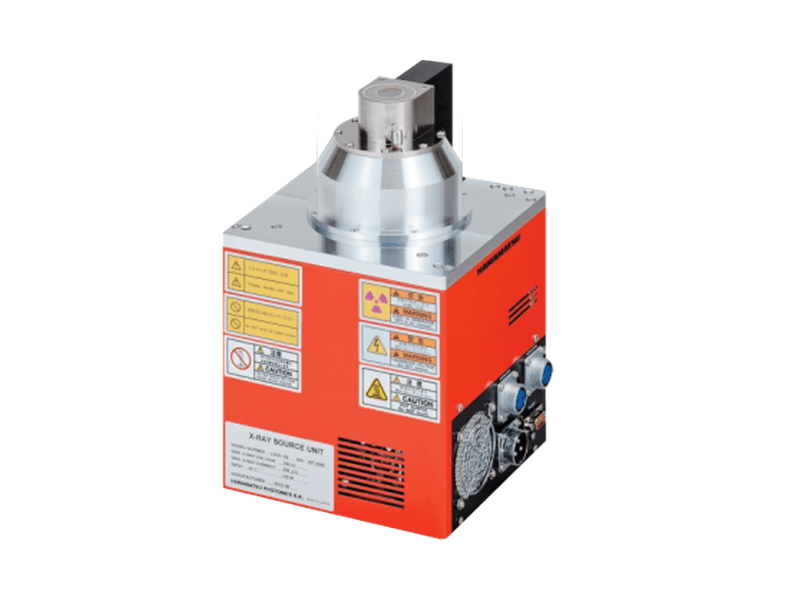
Understanding the heat generation in X-ray tubes
X-ray tubes generate heat during the X-ray production process. The conversion of electrical energy into X-rays results in the production of heat as a byproduct. This heat, if not properly managed, can lead to overheating, reduced tube lifespan, and compromised image quality. Understanding the heat generation process is crucial in implementing effective cooling strategies to maintain optimal tube performance.
The role of X-ray tube cooling systems
X-ray tube cooling systems play a vital role in dissipating heat and maintaining a suitable operating temperature for the X-ray tube. These systems typically utilize various mechanisms such as air or liquid cooling to remove excess heat. By efficiently dissipating heat, cooling systems help prevent overheating, reduce thermal stress on the tube, and ensure consistent image quality and tube performance.
Challenges posed by heat generation
Heat generation in X-ray tubes presents several challenges that can impact the overall imaging process. Excessive heat can lead to thermal expansion, affecting the precision of components within the tube. It can also cause electron emission fluctuations, resulting in unstable X-ray output. Additionally, heat buildup can accelerate the degradation of tube materials, leading to shorter tube lifespan and increased maintenance costs.
Strategies for effective heat dissipation
To ensure proper heat dissipation in X-ray tubes, several strategies can be employed. These include optimizing cooling system design, enhancing airflow or liquid circulation, implementing temperature monitoring and control mechanisms, and regular maintenance to remove any contaminants that may hinder heat transfer. By implementing these strategies, the X-ray tube can operate within the optimal temperature range, enhancing longevity and maintaining consistent imaging performance.
Importance of regular maintenance and inspections
Regular maintenance and inspections are crucial for the efficient operation of X-ray tube cooling systems. This includes cleaning filters, checking coolant levels, inspecting tubing and connectors, and verifying proper functioning of cooling system components. By adhering to a proactive maintenance schedule, potential issues can be identified and addressed promptly, ensuring the longevity and reliability of the cooling system.
In Conclusion
Proper heat dissipation is vital for maintaining the performance and longevity of X-ray tubes. X-ray tube cooling systems play a critical role in dissipating heat, preventing overheating, and ensuring consistent image quality. By understanding the challenges posed by heat generation, implementing effective cooling strategies, and adhering to regular maintenance protocols, operators can optimize X-ray tube performance and enhance the overall imaging process.


评论
发表评论